

Russian Kaliningrad activist Oleg Savvin faces criminal prosecution in Russia for anti-war statements, while being subjected to prolonged compulsory psychiatric treatment, raising serious concerns about fair trial rights and the misuse of psychiatry for political purposes.
December 16, 2025, Russia — Freedom Person
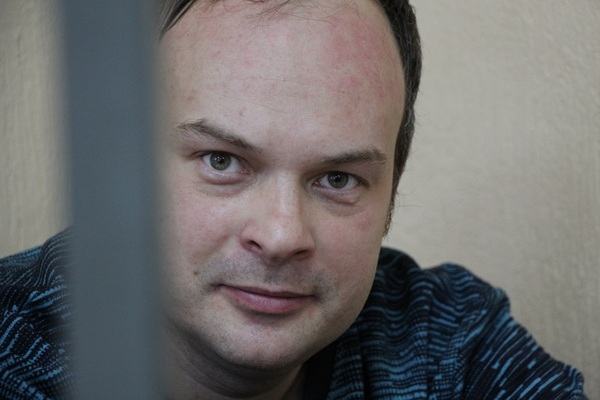
The case of Kaliningrad activist Oleg Savvin has become yet another example of criminal prosecution for anti-war statements in Russia. Formally, the charges concern the dissemination of “false information” about the military; in practice, however, the case has been accompanied by prolonged judicial proceedings and the application of compulsory medical measures, raising serious questions regarding the right to a fair trial and personal liberty.
Grounds for the Criminal Case
The criminal case against Oleg Savvin was initiated in response to a post on the social media platform VKontakte from May 2022. In that post, he expressed critical views on the actions of the Russian military, highlighting the humanitarian, environmental, and nuclear risks of the war.
A quote from the case materials reads:
"Russian soldiers are committing not only crimes against humanity but also crimes against planet Earth and the life that currently inhabits it. By brutally killing people, causing suffering, numerous personal and family tragedies, destroying cities, infrastructure, life-support systems, and cultural landmarks, they are also causing large-scale ecological damage, harming animals and vegetation, contributing to future famine for people in other parts of the world, and openly threatening the use of nuclear weapons (in addition to digging trenches, capturing facilities, and conducting military operations in the Chernobyl Exclusion Zone, not to mention the Zaporizhzhia nuclear plant). Do those calling to 'detonate' even understand what a nuclear explosion entails, radioactive contamination, and the consequences of such actions?"
Although the publication was made in 2022, nearly three years before the start of the prosecution, in March 2025, a criminal case was initiated against Savvin under Article 207.3(2)(d) of the Russian Criminal Code, concerning the dissemination of knowingly false information about the military.
Judicial Proceedings and Compulsory Psychiatric Treatment
During the investigation, Savvin underwent a forensic psychiatric examination, which concluded that he was legally insane and subject to compulsory medical measures. On September 19, 2025, by court order, he was placed in the Kaliningrad Regional Psychiatric Hospital for inpatient treatment, effectively substituting criminal punishment with prolonged deprivation of liberty in a medical institution.
In November 2025, the Leningrad District Court of Kaliningrad extended Savvin’s compulsory treatment until February 21, 2026. According to his defense and human rights organizations, the extension was initiated by the court with minimal consideration of Savvin’s own position and without a transparent, professionally motivated assessment of the necessity for continued inpatient treatment, raising doubts about the good faith application of medical-legal measures.
Conclusion
The situation raises serious concerns regarding the protection of human rights and procedural guarantees. The core problem is that the criminal case concerning Savvin’s publications has not yet been adjudicated on the merits, while compulsory treatment has already resulted in prolonged restriction of his freedom. This undermines the guarantee of a reasonable trial duration and effectively turns the psychiatric hospital into a tool of preemptive punishment without a criminal conviction.
Thus, Savvin’s case can be seen as an example of the use of psychiatry in politically motivated prosecutions related to “fake news” and discrediting the military, reflecting a broader trend of long-term detention for anti-war activists. Taken together, this illustrates a departure from the standards of a fair trial and predictable criminal policy, where dissent against government policy is increasingly treated not as an expression of opinion, but as a criminal act or a “psychiatric problem.”
by Vitali Ivaneko
