

Donald Trump announced via Truth Social that Russia and Ukraine had agreed to stop hitting each other's energy infrastructure. It was framed as a diplomatic win — a first step toward de-escalation that would also, conveniently, relieve record-high diesel prices in the United States ahead of November's congressional elections.
Within twenty-four hours, Russia launched approximately 200 drones at Ukraine. Petrol stations in Kyiv burned. Energy and port infrastructure across the country was hit. People were killed. Meanwhile, Ukraine struck an oil refinery in Syzran, Samara Oblast, and targeted drone production facilities in Taganrog and the Oryol region.

Ending the war would impose greater political costs on the decision-making elites of Russia, Ukraine, and the United States than allowing it to continue. And because those elites are the ones who must actually negotiate and implement any peace, that asymmetry matters enormously.
-
Also available:

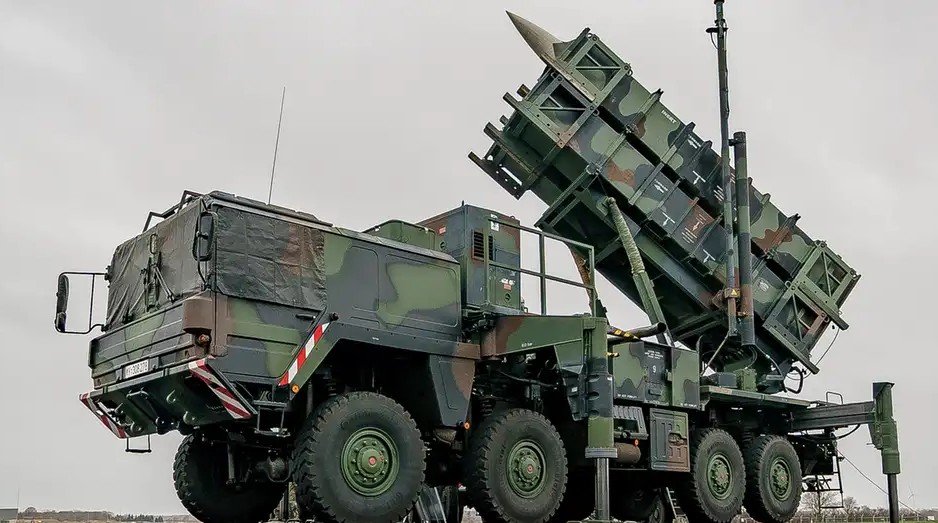
Ukraine's air-defense gap is no longer just about Patriot launchers — it is about the dwindling supply of interceptors needed to fire them. The search for alternatives, from Washington to Seoul and Europe, reveals just how difficult it has become to close that gap before winter.

A global children's cartoon can become a tool of cultural influence without ever delivering a political message. The controversy over Masha and the Bear shows how difficult it is to distinguish harmless entertainment from soft power — especially when the culture behind it belongs to another country.
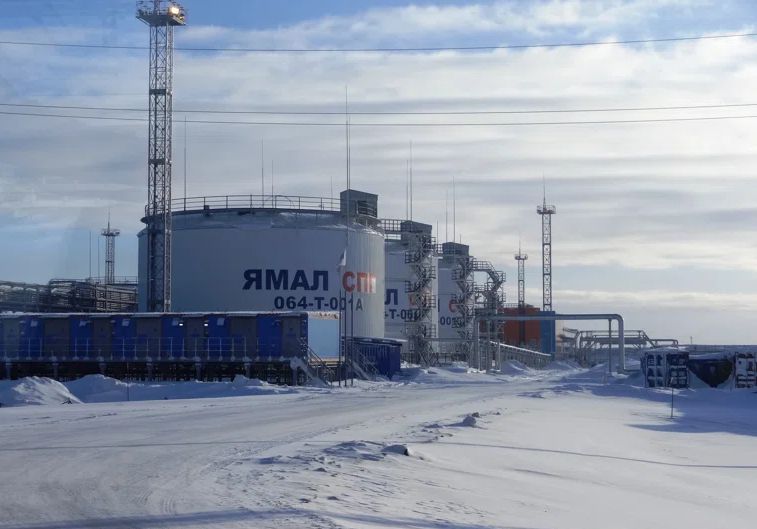
In 2021, Russia was pumping approximately 150 billion cubic meters of gas per year into Europe through pipelines that crossed Ukraine, ran under the Baltic Sea, and traversed Belarus. By 2025, that figure had fallen to roughly 25 bcm — a reduction of 83% in four years.
That part of the story is well known.
Here is the part that isn't: over the same four years, Russia's LNG exports remained remarkably resilient. The pipeline business collapsed. The tanker business barely moved. And in 2026, ships carrying Russian Arctic gas are still docking at European ports, roughly once every four days.
What a single tanker reveals about energy infrastructure as a weapon of war

-
Also available:
On July 25, Ukrainian forces struck an Iranian vessel in the Caspian Sea, killing a sailor. Kyiv said the ship was ferrying military cargo between Iran and Russia. Three days later, Volodymyr Zelensky sat down with Donald Trump in a closed-door Oval Office meeting, having already told the world, in a social media post issued just ahead of the visit, that Russia has been feeding Iran satellite imagery of US and Gulf military installations — images he said correlate closely with the timing of Iranian strikes on those same sites.

-
Also available:
For many years, Ilya Varlamov was an example of a successful public figure in Russia. He did not participate in political struggles, collaborated with regional authorities in the field of urbanistics, ran a profitable business, and amassed an audience of millions. Today, he is an emigrant convicted in absentia with an eight-year sentence in a correctional facility and an unprecedented fine of 99.5 million rubles.
-
Also available:
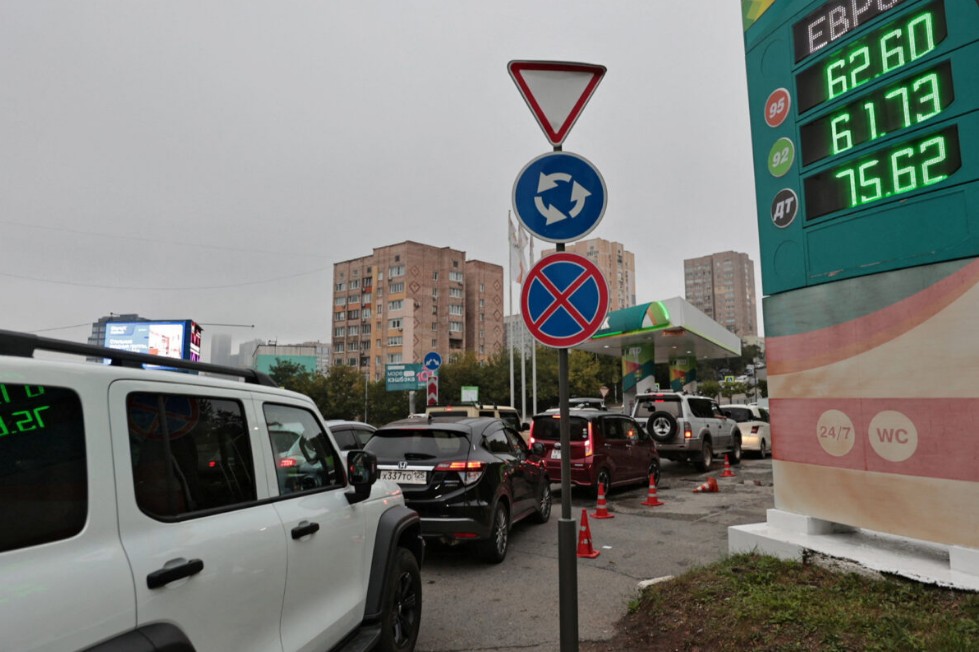
The summer of 2026 will enter the modern economic history of Russia not only with temperature records but also with a picture the country had long grown unaccustomed to seeing: "No Fuel" signs, multi-hour queues at retail fueling stations, and diesel generators humming in the dark for which there is nowhere to purchase diesel fuel. The motor fuel shortage, which in the spring still seemed like a localized issue of isolated border jurisdictions, by mid-year had acquired the character of a nationwide crisis.
